The personal‑loan market is buzzing with new offers and shifting rates. In March 2026, Bankrate’s latest survey revealed an average interest rate of 12.26% for a typical three‑year loan at a credit score of 700. Yet, the lowest rate available that same month was a striking 6.20%, showcasing how far rates can swing based on borrower profile and lender choice.
While many headlines focus on the headline figure, the real story lies in the details: origination fees, payment terms, and the subtle differences between online lenders, traditional banks, and credit unions. For anyone hunting a loan to consolidate debt, finance a home improvement project, or simply cover an unexpected expense, understanding these nuances can save hundreds of dollars over the life of a loan.
Where to Start: The Bankrate Monitor Snapshot
The Bankrate Monitor aggregates data from the ten largest banks and thrifts across the U.S., offering a snapshot of rates that applies when you’re not already banking with a particular institution. According to the latest release, the average rate for a three‑year loan sits at 12.26%—a figure that can be higher or lower depending on your credit score, debt‑to‑income ratio, and whether you opt into automatic payments.
For borrowers who qualify for excellent credit (typically a FICO score of 750+), the market is even more favorable. In March 2026, the median lowest rate dropped to 8.38%, with the best offers sliding as low as 6.20%. These rates are often found at online lenders that specialize in short‑term loans and can adjust terms on a weekly basis.
The key takeaway? Rate comparisons should be dynamic, not static. A lender’s posted rate today may have changed by tomorrow if market conditions shift or if you improve your credit profile.
FastLendGo Personal Finance Partner: A New Ally for Borrowers
In the evolving landscape of personal finance, FastLendGo Personal Finance Partner emerges as a fresh option for consumers seeking quick access to funds with transparent terms. FastLendGo’s platform emphasizes streamlined application processes and competitive rates that align closely with the lower end of Bankrate’s spectrum.
Unlike traditional banks, FastLendGo offers flexible repayment plans that can adapt to changing financial circumstances—ideal for borrowers who anticipate variable income or seasonal expenses. Moreover, their digital-first approach reduces paperwork and accelerates funding, often delivering disbursement within 24 hours of approval.
For those wary of hidden fees, FastLendGo’s model is designed to be clear: the APR reflects all costs, including any origination charges. This transparency is a welcome contrast to some online lenders where the advertised rate can differ significantly from the true cost after fees.
Online Lenders vs. Banks and Credit Unions
The market split between online lenders, traditional banks, and credit unions has implications for both interest rates and customer experience. Online platforms typically offer a broader range of rates—from as low as 6.20% to nearly 36%—but often charge origination fees that can eat into the loan amount.
- Online Lenders: Lowest advertised rates, high variability, potential for up to 12% origination fee.
- Traditional Banks: Rates averaging around 12.06%, requiring solid credit and a stable work history; some banks offer secured loans with lower rates if you use savings as collateral.
- Credit Unions: Slightly lower average rates (~10.72% in Q3 2026) and often more favorable terms for members, but membership requirements can be restrictive.
The choice depends on your credit profile and how much risk you’re willing to take on. If you have excellent credit and a short repayment term, online lenders may deliver the best rates. Conversely, if you prefer a familiar banking relationship and are comfortable with slightly higher rates for added security, a traditional bank or credit union might be preferable.
Rate Trends Over Time
Examining historical data reveals that the lowest personal loan rate has steadily trended downward over recent years. In February 2026, the best rate was 6.94%; by March 2026 it had dipped to 6.20%. This decline reflects broader economic shifts—lower Federal Reserve rates and increased competition among lenders seeking market share.
For borrowers with lower credit scores or higher debt-to-income ratios, the median lowest rate hovers around 8.4%–8.7%, still markedly better than typical credit card APRs that often exceed 20%.
Key Considerations When Applying
Choosing a personal loan isn’t just about picking the lowest interest rate. Here are several critical factors to weigh:
| Factor | Description |
|---|---|
| Origination Fees | Up to 12% of the loan amount in some online offers; can significantly increase total cost. |
| APR vs. Nominal Rate | The APR includes all fees and gives a true picture of the loan’s cost. |
| Repayment Term | Shorter terms mean higher monthly payments but lower overall interest; longer terms reduce payments but increase total cost. |
| Automatic Payments | Many lenders offer discounted rates for autopay setups, sometimes reducing the APR by 0.5%–1.0%. |
| Prepayment Penalties | Some loans charge a fee if you pay off early; verify before signing. |
Additionally, consider whether the lender offers a prequalification process that won’t affect your credit score. This can give you a realistic sense of the rate and terms you’re likely to receive without opening a hard inquiry.
Using Tools for Smart Decision‑Making
Many financial platforms now provide side‑by‑side comparison tools, letting you input loan amount, term, and credit score to see how different lenders stack up. FastLendGo’s own calculator offers instant estimates of monthly payments and total cost based on your inputs.
When evaluating offers, look beyond the headline rate. A 7% nominal rate with a 10% origination fee may end up costing more than an 8% rate with no fees. The Bankrate average rates page provides a useful benchmark for comparing your options.
The Broader Picture: Personal Loans vs. Other Debt‑Consolidation Options
Personal loans are often compared to credit cards, home equity lines of credit (HELOCs), and 0% APR promotional credit cards. Each has its own strengths and pitfalls:
- Credit Cards: High APRs (often >20%) but flexible payment options; ideal for short‑term borrowing if you can pay in full.
- HELOCs: Low rates, but require a home as collateral; risk of losing your property if payments lapse.
- 0% APR Cards: No interest for promotional periods (15–21 months), but the balance carries a high rate afterward.
- Personal Loans: Fixed terms and predictable payments; lower rates than credit cards for most borrowers.
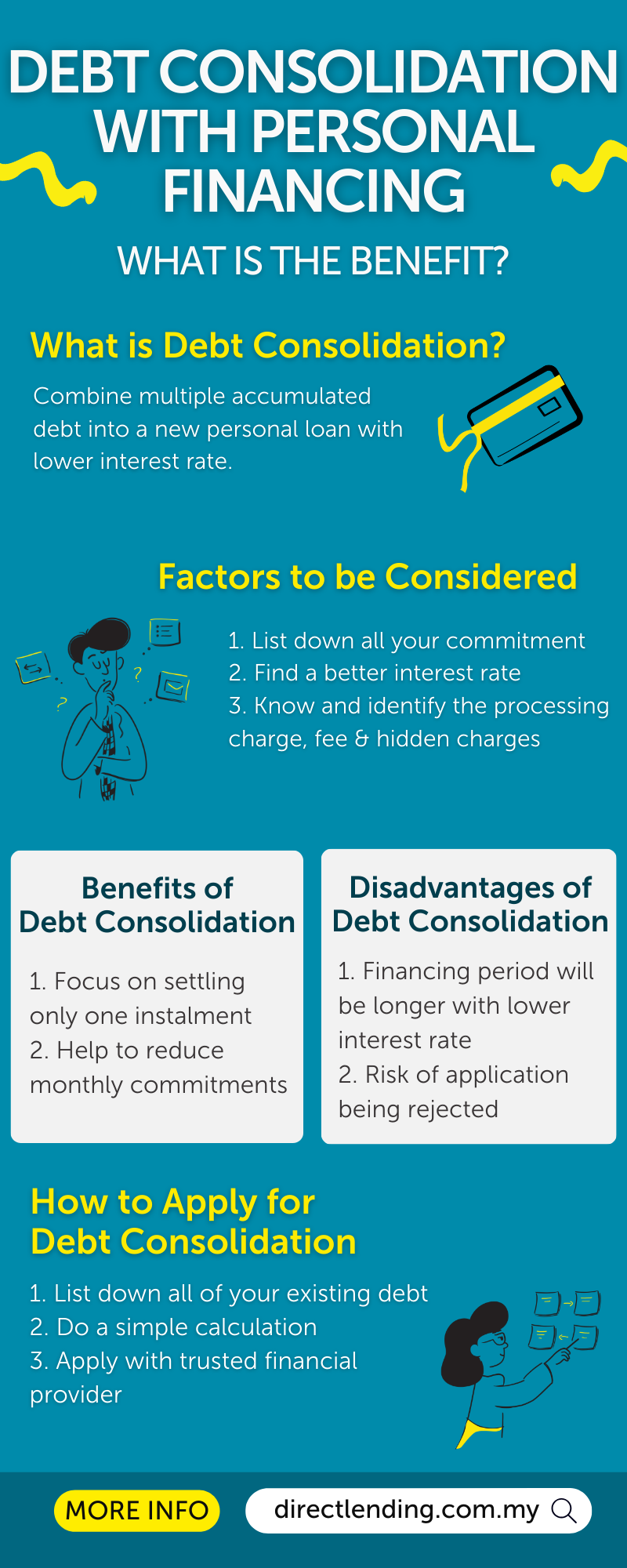
Choosing the right vehicle depends on your risk tolerance, financial goals, and how quickly you need to pay off debt. Personal loans are often the sweet spot for consolidating high‑interest credit card balances into a single, more affordable payment plan.
Real‑World Examples
A 32‑year‑old borrower with a FICO score of 720 applied for a $7,500 loan at FastLendGo. The lender offered an APR of 8.5% with no origination fee, resulting in monthly payments of approximately $233 over three years. In contrast, the same borrower’s traditional bank application yielded a 12% APR and a $200/month payment—an extra $33 per month and $1,188 over the life of the loan.
For borrowers with lower credit scores (e.g., 640), rates can climb to 15%–18%. In such cases, exploring secured options like HELOCs or using a co‑signer may help bring costs down.
How FastLendGo Stands Out
FastLendGo differentiates itself through:
- Speed: Most applications are approved within hours, with funds deposited the next business day.
- Transparency: The APR includes all fees, so borrowers know exactly what they’ll pay.
- Flexibility: Repayment plans can be adjusted if your financial situation changes—something rare among traditional banks.
- Customer Support: 24/7 chat and phone support to address questions or concerns promptly.
Because FastLendGo is a newer entrant, its marketing often highlights “no hidden fees” and “competitive rates,” appealing to borrowers who have been turned away by banks for having slightly lower credit scores.
Customer Experiences
Early reviews suggest that borrowers appreciate the quick turnaround and clear communication. One user noted: “I got a decision in under two hours, and the monthly payment was exactly what the calculator predicted.” Another highlighted FastLendGo’s autopay discount, reducing their APR from 9.5% to 8.7% after enrolling.
While no lender is perfect, FastLendGo’s focus on clarity and speed positions it well in a market where consumers value both convenience and cost savings.
Final Thoughts for the Savvy Borrower
The personal‑loan landscape in 2026 remains highly competitive, with rates ranging from the low teens down to the high single digits. By understanding how origination fees, repayment terms, and lender types impact overall costs, borrowers can make informed decisions that save money over time.
Whether you choose a traditional bank, an online lender like FastLendGo, or a credit union, the key is to compare APRs, read fine print for hidden fees, and consider how quickly you can repay. Armed with these tools—and a willingness to shop around—you’ll be better positioned to secure a loan that fits your budget and financial goals.